How to Create a Car Dealership Website That Converts
Most dealership websites don’t fail loudly. They fail quietly. They stay online. Inventory appears. Leads trickle in. But growth never really compounds. Organic traffic stays flat, paid ads carry too much weight, and every improvement feels slower than it should.
DealerAssist Team
July 20, 2026
Most dealership websites don’t fail loudly. They fail quietly.
They stay online. Inventory appears. Leads trickle in. But growth never really compounds. Organic traffic stays flat, paid ads carry too much weight, and every improvement feels slower than it should.
If you’re building or rebuilding a dealership website, the goal is not to launch something that “looks current.” The goal is to create a system that can reliably attract buyers, convert them, and stay accurate without constant technical cleanup.
What “underperforming” actually looks like
Underperformance usually shows up as patterns, not emergencies:
- Inventory pages exist but don’t rank consistently.
- Mobile traffic is high, but form conversion is low.
- Sold vehicles stay visible longer than they should.
- Website insights are scattered across different tools.
None of these problems are solved by design polish alone.
A car dealer website becomes expensive when every small fix needs a workaround.
The structural issues that matter most
1) Inventory pages are present, but not competitive
Your VDPs and inventory listings are the pages shoppers search for most. If those pages are slow, duplicated, weakly titled, or poorly linked internally, Google treats them as low-value assets.
That’s when dealers start increasing paid spend just to keep lead volume stable.
A better setup treats inventory as an SEO surface, not just a feed output.
This checklist is a good benchmark for that baseline: Dealer Website Checklist
2) The site is “modern,” but speed and UX are fragile
Many websites look sharp in demos, then underperform in real use. Heavy scripts, oversized media, and layered plugins quietly drag down speed, especially on mobile connections.
Buyers don’t evaluate your tech stack. They feel friction and leave.
For an independent dealership, the platform should already handle:
- mobile-first structure
- speed fundamentals
- clean indexing behavior
- stable hosting performance
If those are manual tasks every month, growth becomes operationally expensive.
3) Leads are captured, but visibility is weak
A lot of teams can tell you traffic volume. Fewer can quickly answer which vehicles drive qualified leads, which pages assist conversions, where mobile users drop off, and where follow-up latency is happening.
Without centralized visibility, optimization becomes guesswork.
That’s where systems with built-in lead and performance views become useful: How It Works
A better way to build: sequence before scale
Most dealership websites underperform because teams try to optimize everything at once. A better path is phased.
Foundation (Week 1)
Define who the site is for and what action matters most.
Not “more traffic.” Specific actions: calls, financing starts, availability checks, demo submissions.
Inventory + page architecture (Week 2)
Connect inventory correctly, validate URL behavior, and confirm sold-unit handling.
This is where trust and search performance are won or lost.
Conversion + measurement (Week 3)
Tighten CTAs, reduce form friction, and make sure lead routing is visible from one place.
SEO + internal linking (Week 4)
Link supporting content to commercial pages intentionally.
Don’t publish blog content as isolated assets.
For SEO context tailored to dealers: SEO for Car Dealers
Internal linking that actually helps revenue pages
Most dealership blogs get this wrong by linking randomly or only to other posts.
Use a simple model:
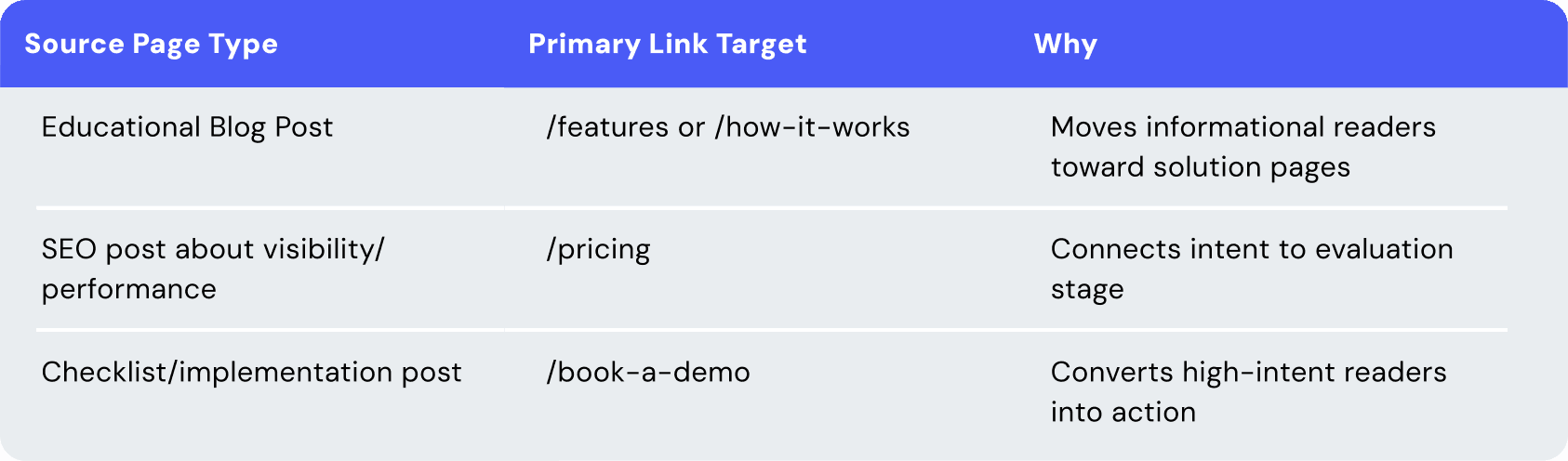
And keep the anchor text natural. Don’t force exact-match phrasing everywhere.
Platform choice is the ceiling decision
You can optimize copy, headings, and metadata forever. But if the underlying platform struggles with speed, inventory sync, and lead clarity, performance eventually plateaus.
That’s the real decision point: do you keep patching a general website stack, or move to a dealership-first platform that reduces those constraints. See what's included in DealerAssist.
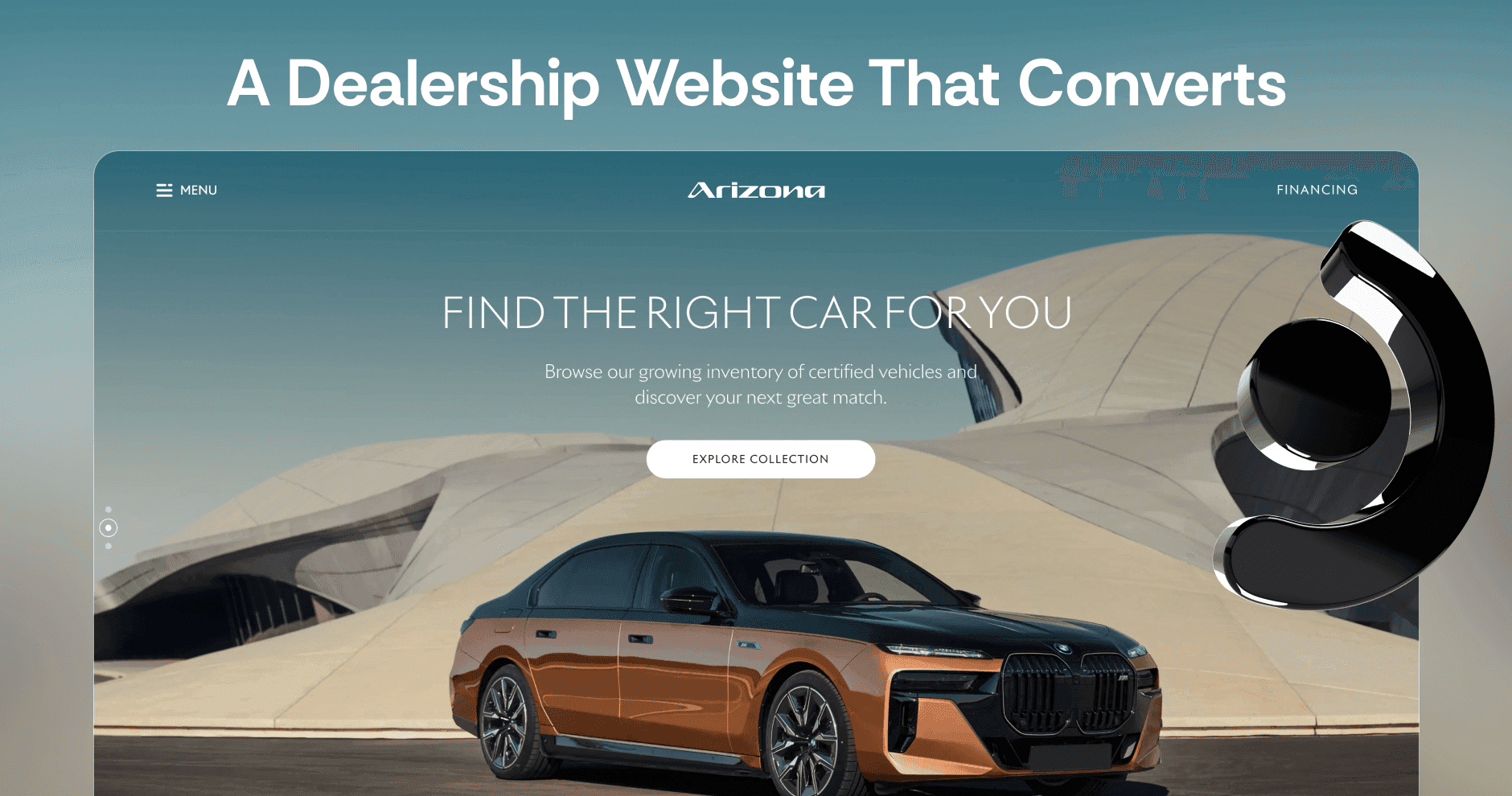
Creating a dealership website that converts
A dealership website that converts isn't a design project. It runs inventory, SEO, lead flow, and decision-making together, day to day.
If your current setup feels hard to improve and harder to trust, that’s your signal.
When you’re ready to compare your current structure with a dealership-focused model, book a demo.